Social Movement Technologies
Get updates
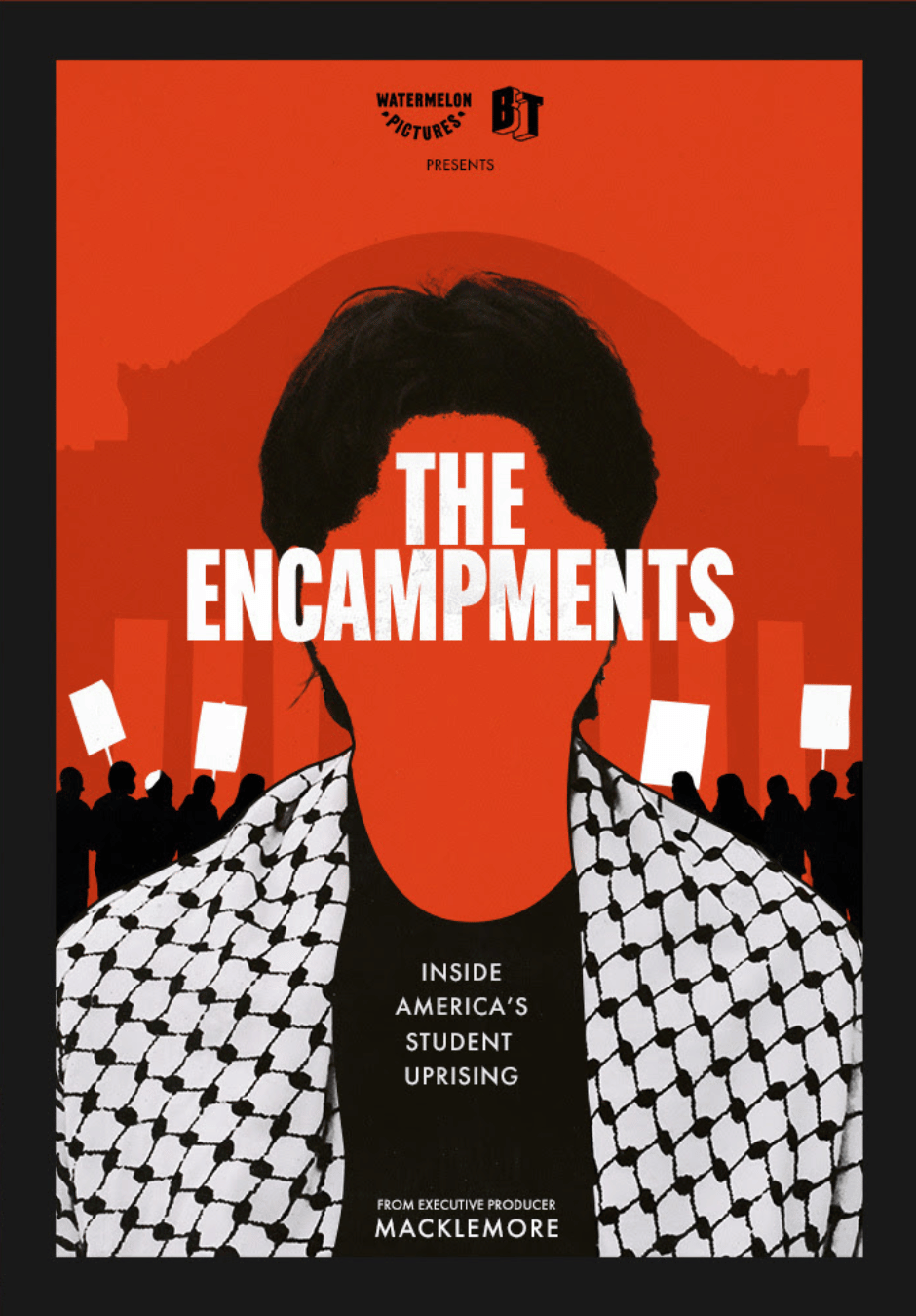
A timely and electrifying documentary that captures the student-led uprising that erupted in spring 2024, beginning at Columbia University and igniting a national wave of pro-Palestinian encampments on more than 150 campuses across the U.S. Directed by Michael T. Workman and Kei Pritsker—himself a former campus organizer—the film places viewers inside the movement’s tent cities, where students built spaces of protest, solidarity, and care while demanding that universities divest from Israel and U.S. militarism in light of the escalating war in Gaza.
The film centers student voices, offering an unfiltered look at life inside the encampments—moments of Shabbat dinners, spoken word, prayer, and mutual aid alongside the harsh reality of police raids, suspensions, and detentions. It follows key leaders like Mahmoud Khalil, a Palestinian student detained by ICE, and Jewish student Grant Miner, who calls out the weaponization of antisemitism charges to silence dissent. These encampments echoed and expanded historic campus resistance, from Vietnam to apartheid South Africa, while forging new organizing models rooted in collective care and resistance.
As the movement spread, so did the backlash. Universities across the country suspended and expelled students, canceled graduations, revoked degrees, and called in militarized police forces to clear tents. Behind the scenes, MAGA-aligned lawmakers in Congress and right-wing media waged a coordinated pressure campaign—labeling the student protests “antisemitic,” threatening to strip federal funding from universities, and forcing campus administrations into open conflict with their own students and faculty. The film shows how university leaders became enforcers of state repression, prioritizing donor and political pressure over free speech and student safety.
More than a chronicle of protest, The Encampments is a portrait of moral clarity and strategic action by a new generation of organizers facing down repression at home and genocide abroad. It refuses to let history be rewritten by those in power—and demands a future grounded in justice, solidarity, and Palestinian liberation.
Appropriate for older teens and adults. The film includes scenes of protest, arrests, and emotional testimony, but no graphic violence. It’s an urgent education in student-led movements and state response.

This will close in 0 seconds