Social Movement Technologies
Get updates
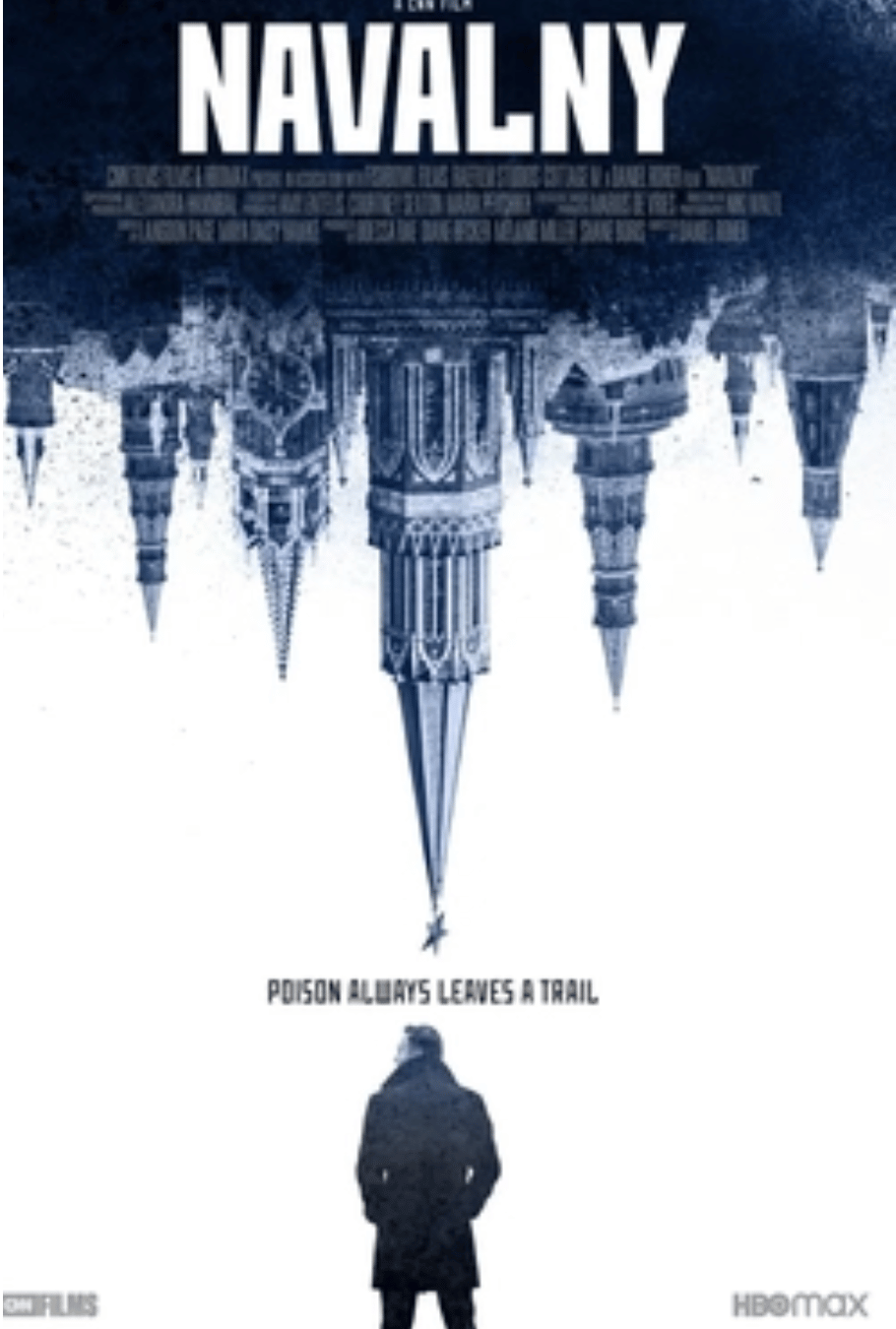
A tense and riveting documentary that plays like a political thriller while chronicling the courage of Russian opposition leader Alexei Navalny. Filmed in the aftermath of his near-fatal Novichok poisoning in 2020, it follows Navalny’s recovery in Germany and the daring investigation—led by his team and investigative journalists—that uncovers direct links to the Kremlin. The film captures Navalny’s sharp wit, strategic thinking, and determination as he prepares to return to Russia despite the certainty of arrest, making it an unflinching portrait of personal risk in the fight against authoritarian rule.
For activists and anyone committed to democracy, Navalny is both an exposé and a rallying cry. It vividly illustrates the power of investigative journalism, digital sleuthing, and public communication in exposing state crimes. The documentary also demonstrates the virality and impact of social media—showing how Navalny and his team leveraged TikTok, YouTube, Instagram, and Twitter to bypass state-controlled media, reach millions inside and outside Russia, and turn their investigative findings into viral political moments. The film makes clear that in tightly controlled societies, social media can become both a lifeline for truth and a catalyst for mass mobilization.
A key takeaway from Navalny is the role of personal courage in sustaining a movement under severe repression. Since the film’s release, Russia’s democracy movement has faced an even harsher crackdown. Navalny himself died in February 2024 in an Arctic penal colony while serving a politically motivated 19-year sentence—an event widely condemned as a political killing. His death left the opposition fractured, with many activists operating in exile and his Anti-Corruption Foundation (FBK) continuing its work abroad under the leadership of his widow, Yulia Navalnaya. Inside Russia, dissent is met with swift arrests, but Navalny’s life and message remain a touchstone for those resisting authoritarianism.
While Navalny does not contain graphic violence, it includes discussions of poisoning, political persecution, and state repression that may be intense for younger viewers. It is generally appropriate for teens—especially those with an interest in politics, activism, or media literacy—but likely too heavy for younger children. For families with older teens, it can spark meaningful conversations about courage, truth-telling, and the risks of confronting injustice.

This will close in 0 seconds