Social Movement Technologies
Get updates
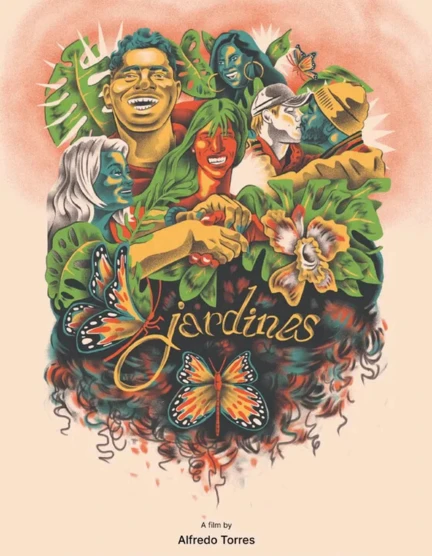
In a crowded shelter on the border, queer and trans asylum-seekers are building something the state has denied them: safety, kin, and time to breathe. As they wait in legal limbo, the film stays close to daily acts of care—sharing food, teasing one another, naming their fears, remembering those who have been killed.
Set in one of Tijuana’s few LGBTQ+ shelters, the camera listens more than it explains, allowing people to tell their own stories of fleeing homophobic and transphobic violence, HIV stigma, and police abuse. The choice to move between Spanish, Russian, and other languages underlines how global this fight is, even as U.S. asylum policy and attacks on LGBTQ+ rights shape every conversation about the future.
Jardines shows migrants as organizers, peer counselors, memory keepers, and leaders. The film highlights how mutual aid, community-led shelters, and public mourning for those lost to trans femicides and AIDS become forms of political action, even when courts and governments fail. Since its release, the rollback of asylum protections and the ongoing crisis of anti-trans violence have only made these grassroots strategies more urgent.

This will close in 0 seconds