Social Movement Technologies
Get updates
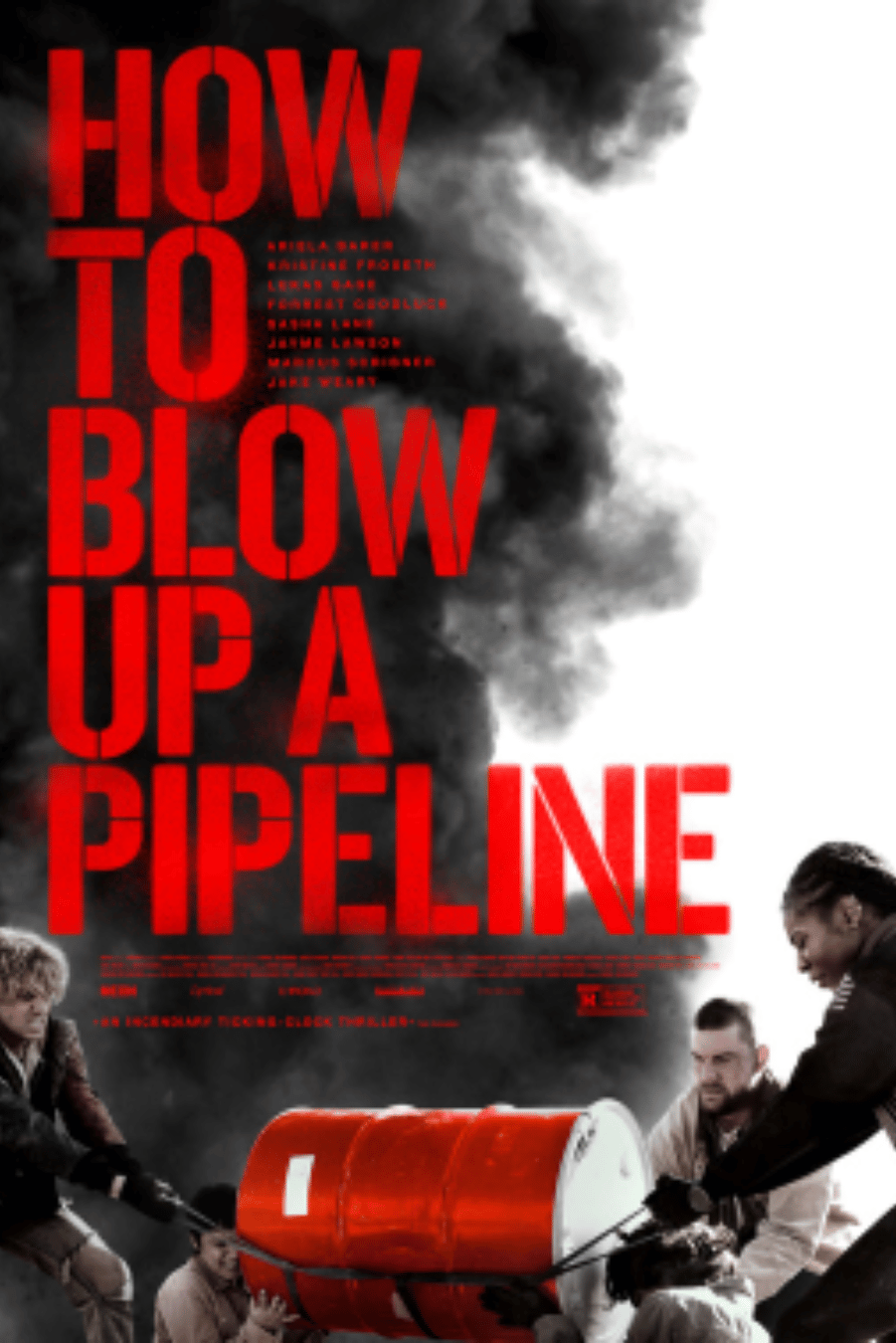
A sharply provocative and tense eco-thriller released in 2022, directed by Daniel Goldhaber and co-written with Ariela Barer and Jordan Sjol. Inspired by Andreas Malm’s 2021 manifesto arguing that climate sabotage can be a justified act in the face of systemic inaction, the film follows a diverse group of eight young activists who plot to destroy an oil pipeline in West Texas. Their motivations range from personal tragedy—like Xochitl, a bereaved student, and Theo, battling a cancer tied to pollution—to land rights violations affecting Dwayne, and indigenous resistance embodied by Michael, a Native American explosives expert. As they assemble at a remote cabin to build homemade bombs, the group's resolve is tested by accidents, surveillance drones, and internal tensions, culminating in a daring, partially successful strike that sends a shock through both the oil industry and our assumptions about protest.
The film is unrepentantly political—its pacing, score, and presentation channel the energy of a heist thriller while foregrounding debates about climate justice, property damage as protest, and the question of when—if ever—destruction becomes necessary. Critics praised its urgency, ensemble cast, and ability to turn a political essay into a nail-biting narrative.
Tense and morally charged, the film is suitable for adults and older teens. It contains mature themes—terrorism, radical action, explosive violence, and ethical ambiguity—that require thoughtful reflection.
While fictional, the film draws from a long history of real-world environmental sabotage. Notable examples include:
• 1980s–1990s, U.S.: Earth First! tree spiking to deter logging—effective in delaying timber operations but highly controversial after a mill worker injury
• 1970s–present, global oceans: Sea Shepherd marine sabotage—ramming whaling ships, cutting drift nets, and disabling vessels; disrupted illegal whaling
• 1996–2001, U.S.: Earth Liberation Front arsons at SUV dealerships, timber offices, and ski resorts, causing over $45M in damage
• 2009, Iceland: Sea Shepherd activists sank two whaling ships in Reykjavik harbor, halting operations for years
• 2016–2017, U.S.: Anti–Dakota Access Pipeline activists Jessica Reznicek & Ruby Montoya burned valve sites, delaying construction
• 2019–present, Australia & U.S.: Anti-coal train disruptions by locking onto tracks and removing fastenings; costly delays
• 2022–present, global: Tyre Extinguishers deflating SUV tires in cities to discourage ownership
These examples show the wide range of tactics—from symbolic spectacle to direct disruption—and the severe legal consequences, even when no one is harmed. They also highlight a long-standing movement debate over whether sabotage sharpens a campaign’s urgency or risks alienating potential allies.

This will close in 0 seconds