Social Movement Technologies
Get updates
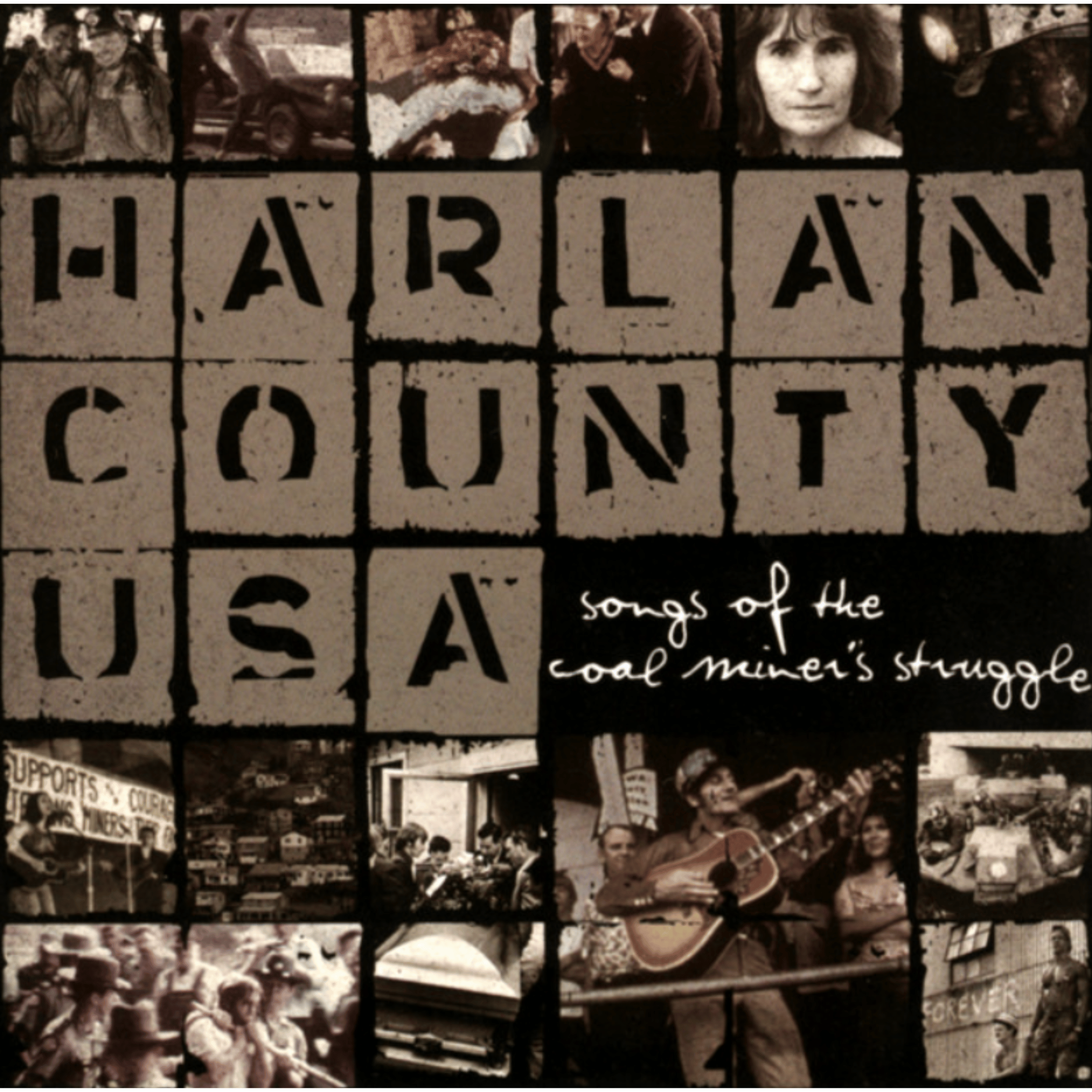
Harlan County, USA is a raw and unforgettable documentary that immerses viewers in the heart of a bitter 1973 coal miners’ strike in southeastern Kentucky. Directed by Barbara Kopple, the film chronicles the struggle of union miners and their families—especially the women—as they fight for safer working conditions, fair pay, and the right to organize against the powerful Duke Power Company.
What makes this film especially gripping is its unflinching look at the risks people take to stand up for each other. From company thugs with guns to court injunctions aimed at breaking the strike, the miners and their families face intimidation with extraordinary resolve. Much of the film’s power comes from the women of Harlan County, who lead pickets, confront bosses, and hold their community together. Their songs—traditional Appalachian union ballads and protest anthems—give the film its heartbeat.
The film also exposes internal tensions within the United Mine Workers of America (UMWA). It highlights how rank-and-file miners often found themselves at odds with union leadership, especially when national leaders failed to support local struggles or were seen as corrupt or disconnected from the realities on the ground. From the reform efforts within the Teamsters to the UAW, the film’s portrayal of grassroots organizing and internal union conflict remains a powerful lens for understanding the ongoing fight to make unions truly member-led.
Given the presence of real violence and harsh conditions, the film is for older teens and adults. It’s especially relevant for those interested in labor history, strike strategy, and the role of gender in grassroots leadership.
Though the strike didn’t yield immediate large-scale wins, it did lead to a contract that improved wages and working conditions. More broadly, Harlan County, USA helped shine a national spotlight on the struggles of coalfield communities and the broader labor movement. Decades later, the film remains a powerful reminder that solidarity is forged not just in meetings, but in the daily risks people take to demand dignity on the job.

This will close in 0 seconds